
Sclerotherapy
Sclerotherapy is a minimally invasive procedure done by your healthcare provider to treat uncomplicated spider veins and uncomplicated reticular veins. The treatment involves the injection of a solution into the affected veins.


 Trustindex verifies that the original source of the review is Google.
 Trustindex verifies that the original source of the review is Google.
 Trustindex verifies that the original source of the review is Google.
 Trustindex verifies that the original source of the review is Google.
 Trustindex verifies that the original source of the review is Google.
 Trustindex verifies that the original source of the review is Google.
 Trustindex verifies that the original source of the review is Google.
 Trustindex verifies that the original source of the review is Google.
 Trustindex verifies that the original source of the review is Google.
 Trustindex verifies that the original source of the review is Google.

Sclerotherapy
in Boca Raton, FL
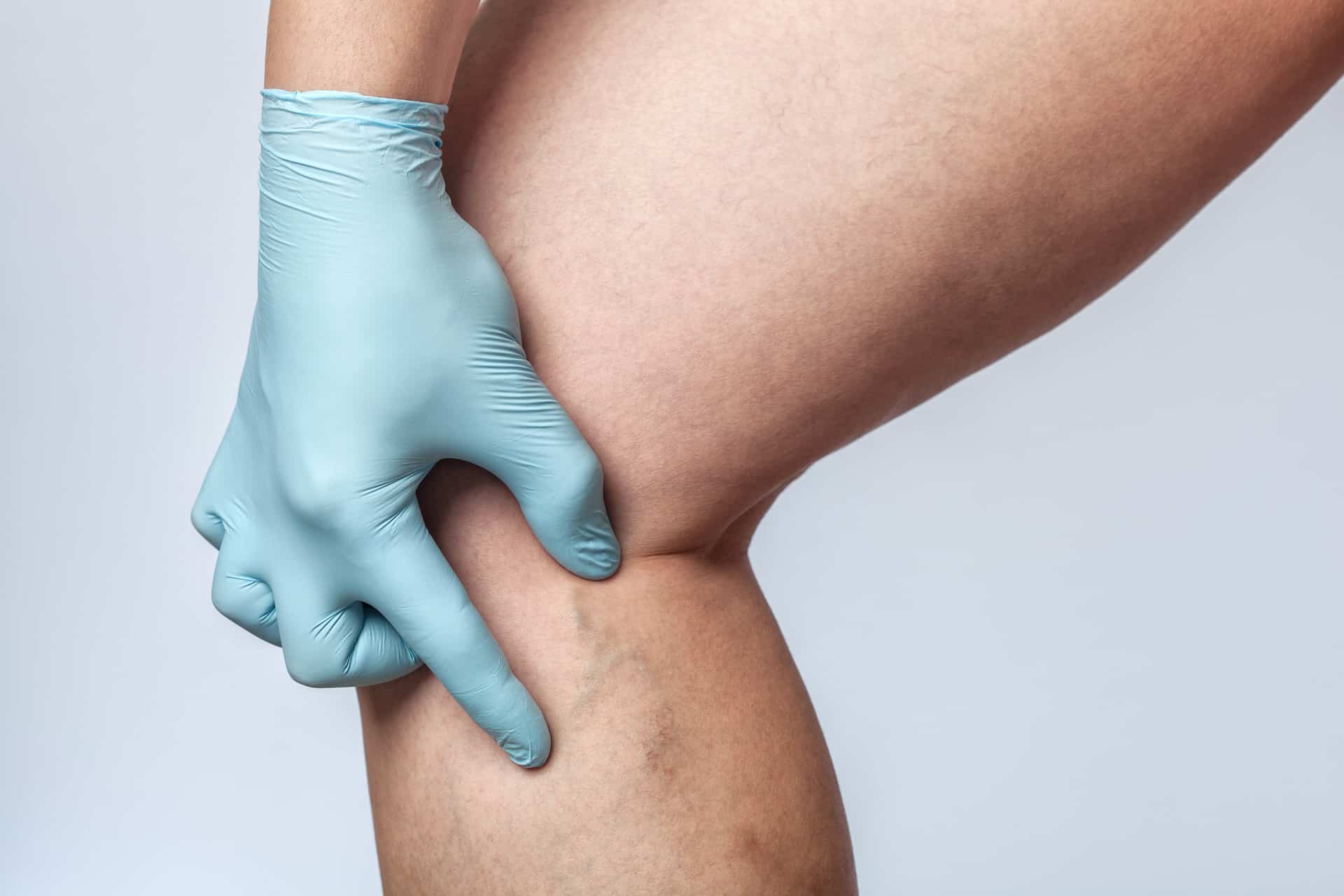
Varicose veins are large blue, dark purple veins. They protrude from the skin and many times they have a cord-like appearance and may twist or bulge. Varicose veins are found most frequently on the legs.
Spider veins are very small and very fine red or blue veins. They are closer to the surface of the skin than varicose veins. They can look like a thin red line, tree branches or spider webs. Spider veins can be found on the legs and face and may cover a small or large area.

Anti-Aging

No Downtime

Quality & Safety

Feel Your Best
Reticular Veins
Reticular veins can also be known as feeder veins. They are the blue and green veins beneath the surface of the skin.
Reticular veins enlarge because of increased pressure in the vein. They can be caused by heredity. You may have reticular veins alone but you may also have spider veins at the same time.
What causes spider veins & reticular veins?
Spider and reticular veins can be caused by many factors.
- Heredity: Having a family member with prominent veins may increase the risk of you developing them. Approximately half of the people who get varicose veins have a family history of them.
- Age: The normal wear and tear of aging may cause valves in the veins to weaken and not work as well.
- Gender: Women are two to three times more likely to develop varicose veins than men. Up to half of American women have varicose veins. Changes in hormones due to puberty, pregnancy, menopause, or taking birth control pills may increase a woman’s risk of developing varicose veins.
- Pregnancy: During pregnancy, the growth of the fetus increases the pressure on the veins in the legs. Varicose veins that occur during pregnancy usually improve within 3 to 12 months following delivery.
- Overweight and obesity: Having extra weight on the body can put additional pressure on the veins.
- Prolonged standing or sitting: This is particularly true with legs bent or crossed. When standing or sitting with legs bent or crossed, the veins have to work harder to pump the blood up to the heart.
Other possible causes for varicose veins are race, posture, occupation, hormones such as estrogen and progesterone, primary valvular incompetence, and incompetent perforating veins.
Indication:
Asclera® (polidocanol) Injection is a prescription medicine that is used in a procedure called sclerotherapy to remove unwanted veins on your legs. It is administered by a healthcare provider to treat two types of veins:
- Uncomplicated spider veins (very small varicose veins ≤ 1 mm in diameter)
- Uncomplicated small varicose veins (1 to 3 mm in diameter) known as reticular veins
Is Sclerotherapy safe?
Sclerotherapy is a well-proven procedure that has been used since the 1930s. Side effects are usually mild and temporary, such as redness, bruising, or brown spots near the injection site that typically fade over days to months. It’s not recommended for anyone who is pregnant, breastfeeding, or has an active blood clot, so every treatment begins with a consultation.
Source: Cleveland Clinic
Does Sclerotherapy always involve needles?
Yes, but they’re very fine. Most patients feel only a small pinch and possibly a mild burning sensation, and no anesthesia is needed. If you prefer a needle-free option, laser treatment can target spider veins with light instead.
How long does the treatment last?
Each session takes about 30 to 45 minutes. Spider veins typically fade within 3 to 6 weeks, and most patients need 2 or 3 sessions for the best results. Treated veins don’t come back, though new ones can form over time.
Where can I get Sclerotherapy on my body?
The legs are the most common treatment area. It can also be used on the face, hands, chest, and feet. We’ll recommend the best approach for each area during your consultation.
What should I do after getting Sclerotherapy?
You can return to normal activities right away, and walking is encouraged. Wear your compression stockings as directed, and for 48 hours avoid anti-inflammatory medications like ibuprofen, hot baths and saunas, heat on the treated area, and direct sun exposure. Call us if you notice sudden leg swelling or red streaking.